




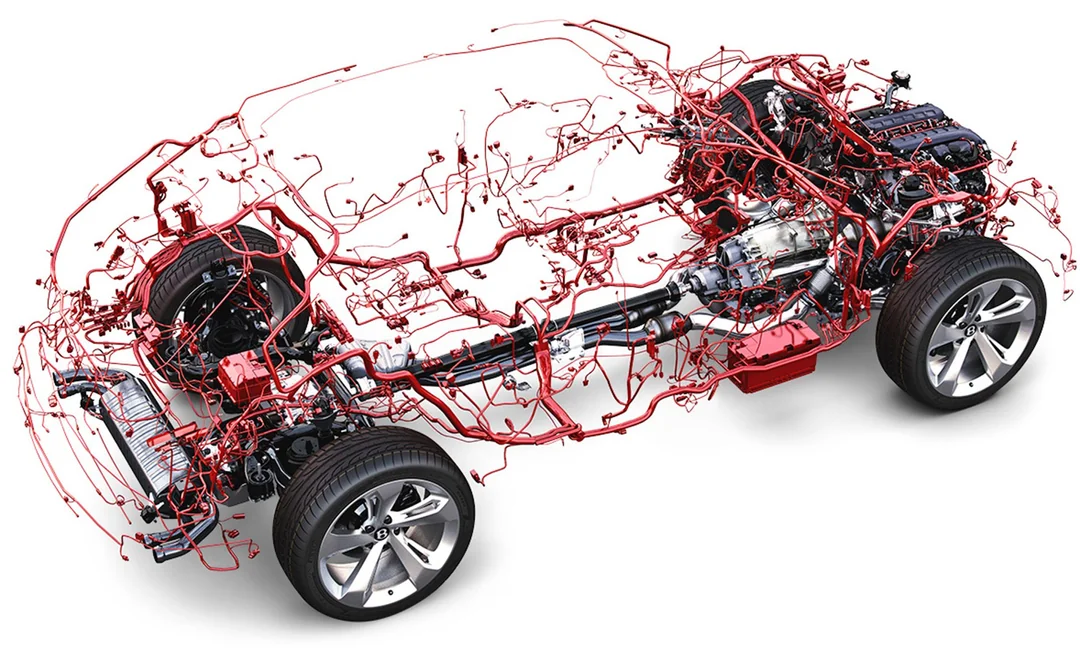
Understanding Auto Electricals
Course Objectives
Present the architecture of automotive electrical systems, including safety aspects.
Survey standards and regulations shaping automotive electrical system design.
Introduce specifications, sizing, and selection criteria for different automotive wires.
Discuss the assembly and protection features of vehicle electrical harnesses.
Detail noise protection, EMC, and shielding requirements in complex automotive environments.
Teach interpretation of wiring schematics and symbol conventions for all vehicle types.
Compare the design of electrical systems in passenger versus heavy vehicles.
Introduce tools and techniques for fault identification and diagnosis in wiring systems.
Provide practical training in harness preparation, installation, and repair.
Impart thorough record-keeping skills and documentation practices required in aftersales.
Learning Outcomes
Explain the structure and purpose of automotive electrical systems and their standards.
Select appropriate wire types, sizes, and protective features for different circuits.
Identify major harness components, connectors, and their specific functionality.
Demonstrate reading and tracing of wiring diagrams, symbols, and logical layouts.
Contrast electrical architectures between light-duty and heavy-duty vehicles.
Use meters, test lamps, and diagnostic tools to diagnose wiring faults.
Prepare wires, assemble harnesses, and install fuse/relay blocks with proper practices.
Install, troubleshoot, and repair harnesses—including connector maintenance.
Perform end-to-end harness testing for continuity, resistance, and correct installation.
Complete documentation for harness modifications, repairs, or replacements following service standards.
 Lessons: