



Picoscope
Course Objectives
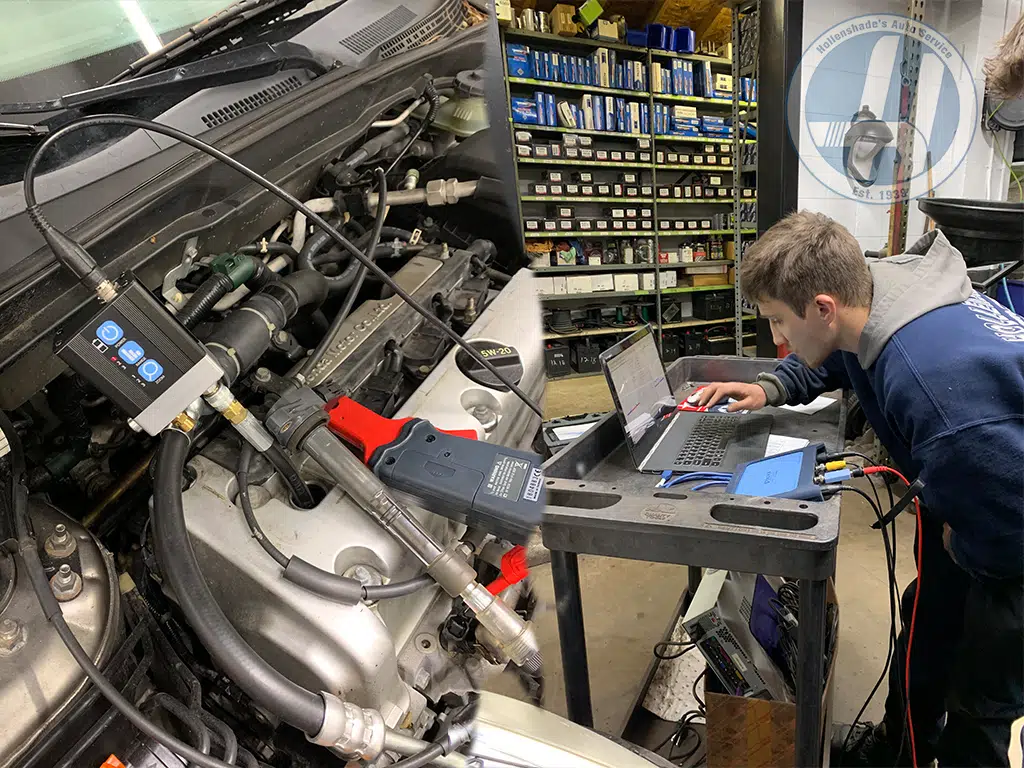
Introduce the Picoscope and its role in advanced automotive diagnostics.
Demonstrate the comparative advantages of digital oscilloscopes over traditional tools.
Review the range of probes and accessories available for automotive Picoscope usage.
Present operational principles for testing both sensors and actuators.
Enable practical use and configuration of a 4-channel Picoscope unit.
Guide acquisition, analysis, and correct saving of waveforms from various vehicle systems.
Teach waveform interpretation for fault location in both sensors and actuators.
Enable system diagnostics on both passenger and heavy vehicles using Picoscope tools.
Present calibration, troubleshooting, and advanced software functionalities.
Cultivate best practices for safe operation, data reporting, and professional usage.
Learning Outcomes
Explain the utility and working of Picoscope in vehicle diagnosis.
Differentiate among various probes, clamps, and accessory kits for automotive applications.
Illustrate testing of key vehicle sensors using waveform capture and analysis.
Operate and optimally configure a multi-channel Picoscope for live data collection.
Capture and interpret characteristic waveforms for both common and advanced sensors/actuators.
Conduct diagnostic tests across a range of passenger and commercial vehicle systems.
Compare Picoscope results with conventional diagnostics to highlight benefits and limitations.
Utilize Picoscope software features for data processing, measurement, and zoom analysis.
Prepare professional reports from diagnostic data and communicate findings effectively.
Apply safety protocols and preventive measures during Picoscope testing operations.
 Lessons: